


Last Updated: October 29, 2026
Quick Summary
The most effective ways to document family memories combine physical keepsakes with spoken and digital records. Start with a simple memory book of favorite photos and captions, record conversations with relatives to capture stories photos cannot, and back everything up in one digital archive.
- A memory book can be assembled in a single weekend from favorite photos and handwritten captions.
- Short recorded interviews capture names, places and family decisions that photographs cannot show.
- Open prompts like childhood home or a remembered family meal help everyone start writing.
- Scan original photos at high resolution and store them in a cloud folder with clear file names.
- Review the digital archive once a year to add new photos and check that old files still open.
Table of Contents
Family memories can be documented in many ways, and the photos sitting on a phone may not tell the full story. A simple printed book, a recorded conversation or a framed keepsake can help capture moments for a family to revisit. This guide covers several ways to get started.
Shutterfly's 2026 Family Photo Representation Study surveyed 1,001 parents nationally, which suggests families are thinking hard about how their lives get recorded. The survey's published sample and fieldwork date are the only details confirmed here; for its specific findings, check Shutterfly 2026 Family Photo Representation Study.
Family Memory Book Ideas You Can Start This Weekend
A memory book is one of the easiest ways to document family memories in a single weekend. Gather a stack of favorite photos, add a few handwritten captions, and bind everything into a journal or album. The result is a tangible object that grandparents, children and friends can hold and reread.

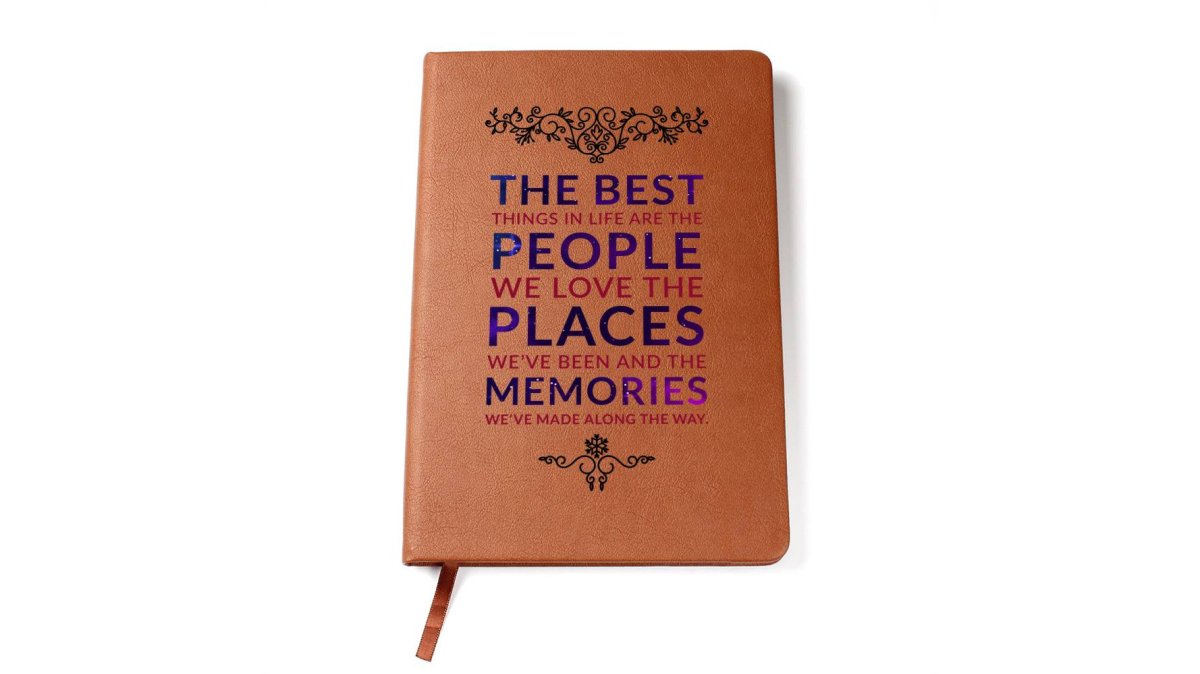
The People, Places, Memories Journal is $29.95 and has 100 sheets / 200 lined pages. Its professionally printed design is custom made upon order.
Recording Family Stories Through Conversation
Spoken stories often disappear the moment the conversation ends. A short, recorded interview with a parent or grandparent captures details no photograph can, including names, places and the small reasons behind family decisions.
Start with open questions about childhood homes, first jobs or how the couple met. Record on a phone, then save the audio alongside the photos and journal entries in one place.
Family Memory Journal Prompts to Get Everyone Writing
Prompts remove the blank-page problem. Try a few of these with every family member:
- What is the first thing you remember about your childhood home?
- Which family meal do you wish you could taste again?
- What advice from a relative do you still use?
- What did an ordinary day look like when you were ten?
The Story Within Journal is $29.95. Its listing describes it as a vegan leather notebook with 100 sheets / 200 lined pages.
Turning Old Photos Into Keepsakes
People, Places, Memories - Journal →
Old prints can be used in keepsakes. The When I Was Small and Sweet Acrylic Square is $39.95 and comes with a wooden LED base. The Life Is Better With You Heirloom Blanket is $59.99 and is woven with 100% cotton yarn. Its listing notes that the product transitions your image into a woven memento.
Building a Digital Family Archive
Physical keepsakes work best alongside a digital copy. Scan original photos at a high resolution, store them in a cloud folder with clear file names, and keep a backup on a separate drive. Add the recorded interviews and written prompts to the same folder so the whole family history lives in one place.
Review the archive once a year. Add new photos, check that old files still open, and confirm that every family member knows where to find them.
Choosing Your First Memory Project to Start Documenting Today
Pick the project that matches your family's habits. A memory book suits families who love to flip through pages together. Recorded conversations suit families with older relatives who prefer talking to writing. A framed acrylic keepsake suits anyone who wants a single meaningful piece on display.
Begin with one small project this month. A finished memory book or one recorded conversation will do more for your family history than a long plan that never gets started.
Frequently Asked Questions
What are creative ways to document family memories?
Popular options include memory books that combine photos with captions, recorded interviews with older relatives, handwritten journal entries, digital archives shared among relatives, and keepsakes such as acrylic plaques or woven blankets. Choose the format that fits how your family already communicates.
How can I preserve family stories for future generations?
Record stories in more than one format so they survive a device or service change. Audio or video interviews capture voice and expression, while transcripts make the content searchable. Store copies in at least two places, such as a cloud account and a physical drive, and label each file with names, places, and dates. Revisit and add to the collection every few years as new relatives or memories surface.
What can I make with old family photos?
Old family photos can become woven blankets. The Life Is Better With You Heirloom Blanket listing says an image is transitioned into a woven memento. Scan originals at a high resolution before using them so the printed result stays sharp. Choose the single photo that best represents the person or moment you want to honor, and add a short caption or date to give the keepsake personal context.
How do you create a family memory book?
Start by gathering photos, letters, and short written memories from several family members. Sort them into chapters, such as childhood, traditions, or a particular year. Add captions that name people, places, and dates, then arrange pages with a consistent layout. Print through a photo book service or assemble a physical album, and keep a digital copy as a backup.
What questions should I ask relatives to record family stories?
Open-ended prompts work best, such as asking where a parent grew up, what a typical holiday looked like, or what advice a grandparent received that still matters. Ask about specific objects, meals, or songs, since concrete details trigger longer answers. Let the conversation wander, and record the session with permission so the relative can speak freely without stopping to write.
Start your family memory project with Keepsake & Co. and give your loved ones something they will keep for years. Shop Now.


