


Table of Contents
- The Case for Custom Jewelry: What Makes It Different
- Best Materials for Custom Jewelry That Won't Tarnish
- How to Design Your Own Custom Jewelry
- Custom Jewelry vs Designer Jewelry Resale Value
- Cost Factors: What You'll Actually Pay
- Quality, Durability, and Long-Term Wear
- The Real Maintenance and Repair Reality
- Is Custom Jewelry Worth It for You?
- Frequently Asked Questions
Last Updated: September 4, 2026
The Case for Custom Jewelry: What Makes It Different
Custom jewelry pieces worth the investment because they offer something mass-produced pieces fundamentally cannot: intentionality. When you commission a custom piece, you're not buying an item off a shelf that thousands of others own. You're creating a singular object designed specifically for someone's wrist, neck, or finger.
The distinction matters more than aesthetics alone. A custom piece carries the weight of deliberate choice. You selected the metal, the stone, the design elements. That intentionality translates into perceived value that a ready-to-wear piece, no matter how beautiful, struggles to match. This is why custom jewelry pieces worth the premium pricing for gift-givers who want their present to feel genuinely unique.
The craftsmanship difference is real too. Both can be well-made, but custom work involves human judgment at every step.
At Keepsake & Co., we understand this difference intimately. Our custom name necklaces are handcrafted to order, allowing you to personalize each piece with up to 10 characters. The production process takes up to 5 business days. That timeline reflects genuine craftsmanship, not mass assembly.

Best Materials for Custom Jewelry That Won't Tarnish
The material you choose determines whether your custom piece will look pristine in five years or show visible wear. Tarnishing and corrosion are the enemies of longevity, so selecting metals resistant to these problems is essential.
Stainless steel is the practical choice for durability. It resists tarnishing, doesn't require constant polishing, and handles daily wear without degrading. Stainless steel custom jewelry pieces worth considering if you want a piece that performs as much as it looks good. It's also hypoallergenic for sensitive skin and maintains its finish with minimal maintenance.
Gold, particularly 18K yellow gold, is the luxury standard. It doesn't tarnish in the traditional sense because it's already oxidized. What you get is genuine precious metal that only becomes more valuable over time. The downside is cost and softness: gold scratches more easily than stainless steel, so it requires more careful handling. However, scratches on gold can be polished out by a jeweler, whereas deep scratches in stainless steel are permanent.
Platinum is the premium option: hypoallergenic, doesn't tarnish, and holds its weight and value better than gold. Platinum custom jewelry pieces worth the investment if longevity and resale value are priorities. It's significantly more expensive than gold, but it's also denser and more durable.
Avoid silver for pieces intended for daily wear. Sterling silver tarnishes regularly and requires frequent polishing. It's fine for occasional jewelry, but if you're investing in a custom piece meant to last decades, silver will disappoint you.
| Material | Tarnish Risk | Durability | Hypoallergenic | Maintenance | Best For |
|---|---|---|---|---|---|
| Stainless Steel | None | Very High | Yes | Minimal | Daily wear, budget-conscious |
| 18K Gold | None | High | Varies | Occasional polishing | Investment pieces, heirlooms |
| Platinum | None | Very High | Yes | Minimal | Premium investment, resale value |
| Sterling Silver | High | Medium | Varies | Regular polishing | Occasional wear only |
How to Design Your Own Custom Jewelry
The design process for custom jewelry is less intimidating than most people assume. You don't need to be an artist or have detailed sketches. You need a clear vision of what matters to you.
Start by defining your non-negotiables. What's the primary purpose? Is this an engagement ring, a memorial piece, a gift for a milestone? What metals appeal to you? Do you prefer delicate or bold? Minimalist or ornate? These foundational answers narrow the design space significantly.
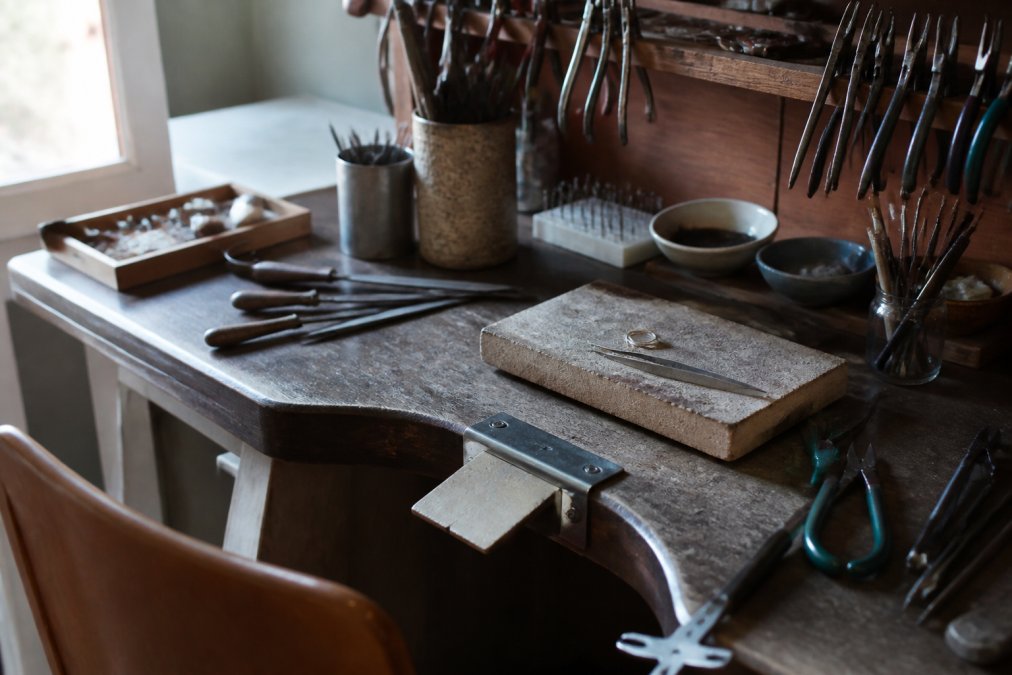
Work with your jeweler to translate vision into reality. A skilled custom jeweler will ask questions that refine your thinking. They'll show you reference images, discuss proportions, and explain why certain designs work better than others. This collaborative process is where custom jewelry pieces worth the time investment become apparent. You're not just ordering; you're creating.
Keepsake & Co.'s custom name necklaces allow you to specify exactly which name or word you want engraved at checkout, with up to 10 characters accepted. You see exactly what you're getting before the piece is handcrafted.

Custom Jewelry vs Designer Jewelry Resale Value
This is where the math gets interesting. Custom jewelry pieces worth evaluating on resale potential if you think you might ever want to liquidate them. The resale market for custom pieces differs significantly from designer jewelry.
Designer jewelry holds resale value because the brand carries recognition. People recognize the brand, trust the quality, and know what they're buying. Custom jewelry has no brand equity. When you sell a custom piece, the buyer is paying for materials and craftsmanship alone, not a recognizable name.
This doesn't mean custom pieces are worthless secondhand. A well-made custom piece in precious metal will sell for roughly the melt value of the metal plus a modest premium for craftsmanship. If you paid $2,000 for a custom platinum necklace and the platinum content is worth $1,200, you might resell it for $1,400-1,600. Designer jewelry in the same price range might fetch $1,200-1,400 at resale.
The resale reality matters most if you're buying custom jewelry as a financial hedge. It isn't one. Buy custom pieces because you'll wear them for decades, not because you expect to profit. The value lies in sentimental worth and personal satisfaction, not investment returns.
Cost Factors: What You'll Actually Pay
Custom jewelry pricing depends on four variables: materials, complexity, size, and jeweler expertise.
Materials are straightforward. Gold costs more than stainless steel. Platinum costs more than gold. Gemstones vary wildly: a modest diamond might add $500 to your cost, while a high-quality emerald could add $3,000. The material budget often represents 40-60% of the total cost.
Complexity drives labor costs. A simple band with engraving takes fewer hours than a multi-stone setting with intricate metalwork. A straightforward custom name necklace from Keepsake & Co. starts at $39.95 for stainless steel or 18K gold finishes, reflecting simpler design and efficient production.

Size matters for precious metals. A ring requires less material than a bracelet. A pendant requires less than a cuff. Larger pieces cost more simply because more metal goes into them.
Jeweler expertise is the variable most people underestimate. You're paying for experience, reliability, and the certainty that your piece will be executed correctly.
Quality, Durability, and Long-Term Wear
Custom jewelry pieces worth buying are built to last. The question is whether they'll actually survive decades of daily wear, or if they'll require repair after a few years.
Durability depends on design and material selection. A delicate band with thin prongs holding a stone is beautiful but vulnerable. The prongs can bend, the band can crack. A sturdier design with thicker metal and secure stone setting will handle daily life without incident. This is where the design consultation with your jeweler matters. They should guide you toward durability without sacrificing aesthetics.
Precious metals age gracefully. Gold scratches but doesn't break. Platinum scratches but is nearly impossible to break. Stainless steel resists scratching and is essentially indestructible. All three will look worn after 10 years of daily wear, but they'll still be wearable.
Stones are the wildcard. Diamonds are hard and durable, suitable for daily wear. Most other gemstones are softer. Emeralds, opals, and pearls require careful handling. If you love emeralds but want daily-wear durability, you're asking for conflict. A good jeweler will tell you this upfront.
The Real Maintenance and Repair Reality
Here's what nobody tells you about custom jewelry: it requires ongoing care, and repairs can be expensive.
Cleaning is simple. Most custom pieces need only warm soapy water and a soft brush. For precious metals, this takes five minutes monthly. But professional cleaning every 1-2 years keeps pieces looking new. A professional jeweler uses ultrasonic cleaners and polishing techniques that restore shine without damaging the piece.
Repairs are where costs add up. A bent prong costs $50-150 to repair. A loose stone costs $75-200 to reset. A cracked band might require the entire piece to be remade, costing $500+. These aren't rare events if you wear jewelry daily for years. Stones loosen, metal fatigues, clasps break.
Insurance is worth considering. A custom piece worth $2,000 might cost $20-40 annually to insure. If you ever lose it or it's damaged beyond repair, insurance covers replacement value. Many homeowners policies cover jewelry, but coverage is often limited. A jewelry-specific policy is better.
Resizing is common for rings as your fingers change over time. A simple resize costs $50-150. A complex design with stones might cost more. Plan for this if you're commissioning a ring.
The maintenance reality means custom jewelry pieces worth the investment are pieces you genuinely love. If you're lukewarm about a design, the ongoing care and potential repair costs will frustrate you. If you adore it, those costs feel like reasonable upkeep for something irreplaceable.
Is Custom Jewelry Worth It for You?
The honest answer depends on what you value. Custom jewelry pieces worth buying if you prioritize uniqueness, personal meaning, and craftsmanship over brand recognition and resale value. If you want a piece that tells your story rather than someone else's design, custom is the right choice.
Custom is worth it if you'll wear the piece regularly. A custom piece sitting in a drawer is money wasted. A piece you wear daily for years becomes cheaper per wearing than most designer jewelry.
Custom is not worth it if you're indecisive about design or prone to changing your mind. Custom pieces are made to order; they're not returnable like retail purchases. You need to be confident in your choice before production begins.
Consider Keepsake & Co.'s custom name necklaces as an accessible entry point. At $39.95 to $54.95 depending on style, they offer personalization without the premium price tag of precious metal settings. Each necklace is handcrafted to order in either stainless steel or 18K gold finishes, allowing you to create something genuinely personal without the expense of a full custom design consultation.
The real question isn't whether custom jewelry is worth it in the abstract. It's whether this specific piece, designed for this specific person, is worth the time, cost, and care it requires. If the answer is yes, custom jewelry is one of the most meaningful gifts you can give.
Custom jewelry offers genuine value when you approach it with clear intentions and realistic expectations. At Keepsake & Co., we believe personalized pieces create the kind of emotional connection that mass-produced jewelry simply cannot match. Our custom name necklaces, handcrafted in the USA and available in stainless steel or 18K gold finishes, let you create something truly personal for the people you love most. Each piece is made to order with care, backed by our 100% customer satisfaction guarantee. When you're ready to create a piece that's uniquely meaningful, explore our custom jewelry collection and discover how personalization transforms a gift into a cherished keepsake.
Frequently Asked Questions
Is custom-made jewelry worth it compared to mass-produced pieces?
Custom jewelry offers personalization, bespoke craftsmanship, and heirloom quality that mass-produced pieces typically lack. You control materials, design, and quality. However, custom pieces cost more upfront and may not hold resale value like branded luxury items. The answer depends on whether you prioritize sentimental value and uniqueness over investment potential. For meaningful gifts or one-of-a-kind pieces you'll wear for decades, custom jewelry is often worth the investment.
What are the best materials for custom jewelry that won't tarnish?
Stainless steel, platinum, and 18K yellow or white gold are excellent tarnish-resistant choices. Stainless steel is affordable and durable, while gold and platinum resist oxidation naturally. Avoid sterling silver (925) if tarnishing concerns you, as it requires regular polishing. When commissioning custom pieces, specify precious metals or stainless steel finishes. Keepsake & Co.'s custom necklaces, for example, feature polished stainless steel or 18K gold finishes to ensure long-lasting beauty without frequent maintenance.
How does custom jewelry resale value compare to designer jewelry?
Designer jewelry typically holds 40-60% of its retail value on the resale market due to brand recognition. Custom jewelry resale value depends heavily on materials, craftsmanship, and market demand for the specific design. A custom piece in precious metals may retain 30-50% of its value, but unique or highly personalized designs may be harder to sell. If investment return is your primary concern, branded luxury jewelry wins. If sentimental value and personal meaning matter more, custom jewelry's worth lies in emotional significance rather than resale potential.
What's involved in designing your own custom jewelry?
The process typically starts with a design consultation where you discuss style, materials, budget, and timeline with the jeweler. You'll specify dimensions, gemstone preferences, metal type, and any personalization. Once approved, the piece is handcrafted to order. Most custom necklaces take up to 5 business days for production. The key is clear communication about your vision and budget to avoid costly revisions.
This article was written using GrandRanker


