


Table of Contents
- Why Authenticity Matters When Buying Made in USA Gifts
- FTC Made in USA Labeling Requirements: What the Law Actually Says
- Five Physical Signs a Gift Is Truly Made in the USA
- Customized Home Decor Items Made in USA: How to Spot Authenticity
- Benefits of Buying American Made Gifts for Your Loved Ones
- How to Verify Supply Chain Transparency Before You Buy
- Regional Craft Specialties: Where Different American-Made Gifts Excel
- Frequently Asked Questions
Last Updated: September 3, 2026
Why Authenticity Matters When Buying Made in USA Gifts
When shopping for a meaningful gift, origin matters more than marketing claims suggest. A personalized gift carries emotional weight that doubles when you know it was actually made domestically. The problem: "made in USA" has become a marketing phrase, not always a guarantee.
Keepsake & Co. understands this tension. Many gift buyers want to support domestic manufacturing and artisan craftsmanship, but don't know how to verify what's real. Labels can be misleading. Assembly can happen overseas with final touches done domestically. Supply chains are opaque. The result is frustration, you think you're buying American-made, but you're not entirely sure.
Authenticity affects quality, ethics, and impact. A genuinely made in USA gift typically reflects better workmanship, faster shipping, and direct support for small businesses. It's not just about patriotism; it's about getting what you paid for and knowing your money went to the right place.
FTC Made in USA Labeling Requirements: What the Law Actually Says
The Federal Trade Commission sets specific rules for what "made in USA" actually means. According to FTC guidelines on Made in USA labeling, a product can only be labeled "made in USA" or "product of USA" if it is "all or virtually all" made, manufactured, or processed in the United States. The product's final form and characteristics must result from U.S. processing. Foreign components are acceptable only if they represent a negligible portion of the finished product's value.
For customized home decor items made in USA, this means the base materials, assembly, finishing, and personalization should all happen domestically. If a company claims made in USA status but sources the blank item overseas and only adds personalization here, that's technically misleading.
The FTC also requires substantiation. Companies making made in USA claims must have evidence, documentation of sourcing, manufacturing location, and assembly. If they can't prove it, the claim is deceptive. This enforcement-based system means the FTC investigates complaints and takes action against violators.
For your shopping: Look for companies transparent about their process. Legitimate makers will explain where materials come from and where production happens. They won't hide their supply chain.
Five Physical Signs a Gift Is Truly Made in the USA
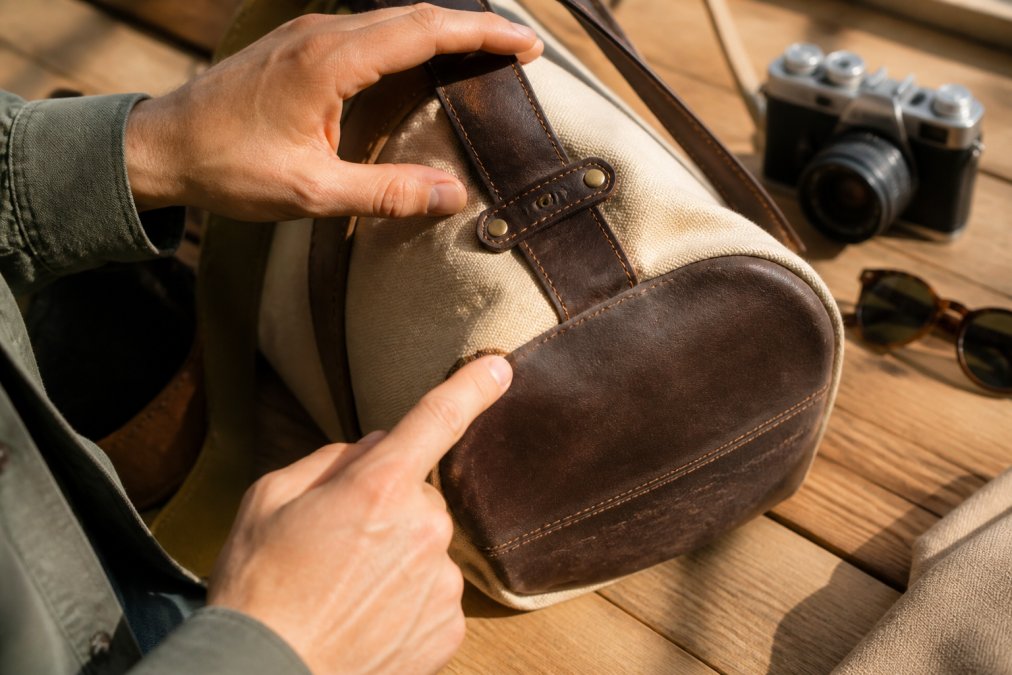
Physical inspection reveals what labels might hide. Here are the tangible markers of genuine made in USA gifts.
Label Placement and Wording
Authentic made in USA labels are specific and positioned prominently. Look for "Made in USA" printed directly on the product or its packaging, not hidden on a tag or mentioned vaguely in fine print.
The exact wording matters. Legitimate labels say "Made in USA" or "Product of USA." Misleading alternatives include "Assembled in USA," "Product designed in USA," or "USA materials", these usually signal that some manufacturing happened overseas.
The label should include the manufacturer's name or a clear point of origin, allowing you to verify the claim. Vague labels with no company attribution are a red flag.
Material Sourcing and Assembly Details
Genuine made in USA gifts use domestically sourced or minimally imported materials. When materials are imported, legitimate makers acknowledge it and explain why, for example, "acrylic sourced from overseas but cut, finished, and personalized in the USA" is honest.
Assembly details reveal the truth. Hand-stitched seams, custom metalwork, or hand-finished edges are labor-intensive processes typically done domestically. If a gift shows signs of individual craftsmanship, slight variations in stitching, hand-applied finishes, or custom detailing, it likely involved U.S. artisans.
Ask the maker directly about materials. Legitimate companies provide sourcing information and explain which components are made domestically.
Workmanship and Finishing Quality
American-made gifts often display superior finishing because domestic manufacturers prioritize quality over speed. Look for consistent stitching, even dyeing, smooth edges, and precise personalization.
Personalized items should show careful attention to custom details. Engraving should be sharp and clean. Embroidery should be even with no loose threads. Printing should be vibrant without bleeding or fading.
Check seams, hems, and joints. Domestic makers invest in proper construction. Seams should be straight, hems even, and joints secure. The overall feel matters too, quality materials, thick fabrics, substantial metals, and smooth finishes indicate investment in materials and process.
Customized Home Decor Items Made in USA: How to Spot Authenticity
Customized home decor presents unique authentication challenges because personalization happens after base production. Legitimate makers control the entire process, either manufacturing the base item or sourcing it from verified domestic suppliers.
Request the supply chain. Ask where the blank item comes from. If it's imported, ask what percentage of final value is added domestically through personalization. The FTC standard requires "all or virtually all" value to be domestic.
For acrylic plaques, check the acrylic source. Domestic manufacturers source acrylic from U.S. suppliers or cut and finish imported sheets here. Personalization should happen domestically.
For blankets, examine the fabric and where assembly and personalization occur. If a blanket is sewn and personalized in the USA, it's likely legitimate even if fabric is imported, provided the import percentage is negligible.
For jewelry, U.S.-based makers often source precious metals domestically or from established suppliers. Custom engraving or hand-finishing should happen here.
Keepsake & Co. demonstrates this principle: products are designed, assembled, and personalized from their factory, ensuring the entire process stays domestic.
Benefits of Buying American Made Gifts for Your Loved Ones
Quality improves when makers control the entire supply chain. Domestic producers implement strict quality standards at every stage without coordinating across time zones or dealing with delays that force corners to be cut.
Speed matters for meaningful occasions. Domestic production and shipping mean your gift arrives faster, no waiting weeks for overseas manufacturing plus international shipping.
Customization quality is superior when personalization happens domestically. Hand-finishing, custom metalwork, and artisan details are easier to control and execute when the maker is local.
Supporting small businesses has economic impact. Money spent with domestic makers stays in local communities, employing local workers and supporting local suppliers.
Transparency is easier with domestic makers. You can ask questions and get real answers about supply chains. Many are accessible and allow behind-the-scenes visibility, building trust.
Ethics improve when you know labor standards. Domestic workers are covered by U.S. labor laws, workplace safety regulations, and wage standards. You're not inadvertently supporting exploitative labor practices.
How to Verify Supply Chain Transparency Before You Buy
Transparency is the clearest indicator of authenticity. Start with the company website. Legitimate makers explain their process and describe where products are made, which materials are sourced domestically, and how personalization happens. If this information is absent or vague, that's a warning sign.
Contact the company directly. Ask specific questions: "Where are raw materials sourced?" "Where is assembly done?" "Where does personalization happen?" Legitimate makers answer clearly and provide documentation or detailed supply chain explanations. Evasive responses suggest they may be hiding something.
Request documentation. Some makers provide certificates of origin, supply chain diagrams, or sourcing statements. These documents prove their claims.
Check for certifications from organizations that audit made in USA claims. Third-party validations carry weight.
Review customer feedback specifically about quality and origin. Patterns in reviews reveal truth. If multiple customers praise quality and durability, that's consistent with domestic production.
Ask about turnaround times. Domestic production typically delivers faster than overseas manufacturing. If a maker quotes 2-3 weeks for custom items, that's reasonable for domestic production.
Check labor practices. Legitimate domestic makers are transparent about worker compensation, benefits, and working conditions.
Regional Craft Specialties: Where Different American-Made Gifts Excel
Different regions excel at specific types of craftsmanship. Jewelry manufacturing concentrates in Rhode Island and California, with established metalworking traditions and skilled artisans. Custom jewelry made in these areas typically reflects high-quality craftsmanship.
Textile production, including blankets and embroidered items, has pockets of domestic manufacturing in the Southeast and Northeast. Hand-embroidery and custom finishing frequently happen in these areas.
Wood and leather goods manufacturing exists throughout the Midwest and Pacific Northwest, with strong artisan traditions and common domestic sourcing.
Ceramic and pottery work is notable in the Southwest and California, reflecting regional craft traditions.
Metalwork and custom metal items concentrate in industrial regions with established manufacturing infrastructure.
Understanding these regional strengths helps you identify authentic made in USA gifts. If you're buying a personalized blanket, look for companies sourcing from textile regions. If you're buying custom jewelry, seek makers in jewelry manufacturing hubs.
Finding genuine made in USA gifts requires attention to detail, but the effort pays off. Authentic domestically made items offer superior quality, faster delivery, and the satisfaction of supporting American craftsmanship. When you buy from Keepsake & Co., you're getting personalized gifts designed, assembled, and shipped from a USA factory, no guesswork required. Explore our collection of sentimental treasures and experience the difference that genuine American-made quality brings to meaningful gift-giving.
| Verification Method | What to Check | Red Flags |
|---|---|---|
| Label inspection | "Made in USA" wording, placement, manufacturer name | Vague language, hidden labels, no attribution |
| Material sourcing | Domestic or minimally imported materials | No transparency, unclear origins |
| Workmanship | Consistent stitching, even finishing, precise personalization | Loose threads, sloppy seams, cheap materials |
| Company transparency | Detailed process explanation, supply chain documentation | Evasive responses, no sourcing information |
| Regional specialties | Makers in established craft regions | No regional connection or sourcing |
| Customer feedback | Reviews mentioning quality and durability | Complaints about cheap materials or poor finishing |
| Turnaround times | 2-3 weeks for custom items | 6-8+ weeks suggesting overseas production |
Frequently Asked Questions
How can I verify if a product is truly made in USA?
Check for explicit 'Made in USA' labeling on the tag or packaging, not 'Assembled in USA' or 'Product of USA.' Request documentation from the seller showing where materials were sourced and where assembly occurred. Look for transparency about their manufacturing process on their website. Examine the craftsmanship, stitching, and material quality. Authentic domestic manufacturers are usually willing to share details about their supply chain and production location. Contact the company directly if claims are unclear.
What does the FTC 'Made in USA' standard actually require?
According to FTC guidelines, 'Made in USA' means the product was entirely made in the United States, all manufacturing, assembly, and processing. The FTC requires that all or virtually all components and labor come from domestic sources. Companies cannot claim 'Made in USA' if they only assemble imported parts or source materials internationally. The label must be clear and not misleading. Violations can result in enforcement action. Always look for this specific language rather than vague terms like 'American-owned' or 'USA-inspired.'
What are the benefits of buying American made gifts?
American-made gifts typically offer superior craftsmanship, durability, and quality assurance since domestic manufacturers follow strict standards. You support local economies and small businesses, contributing to job creation and economic growth. Faster shipping is common since products don't cross international borders. You gain better transparency into how items are made and sourced. Many American artisans use sustainable, ethically sourced materials. Personalized gifts made domestically often receive more attention to detail, making them more meaningful for milestone occasions like anniversaries and birthdays.
How do I distinguish between 'assembled in USA' and 'made in USA'?
'Made in USA' means the entire product, materials, components, and labor, originates domestically. 'Assembled in USA' means only the final assembly happens here; parts may be imported. This distinction matters significantly for authenticity and quality. A genuinely made in USA gift will have clear labeling specifying 'Made in USA' without qualifying language. Check product tags carefully and ask sellers directly about their sourcing. Companies committed to domestic manufacturing will highlight this proudly and provide detailed information about their supply chain and production standards.
This article was written using GrandRanker


